Ask five waxing instructors which wax to master first, and you will probably hear five different answers, each delivered with conviction. The truth is more nuanced. Your first choice should reflect your client base, your training environment, and the way you want to work with skin and hair. I have trained waxing technicians in spa beauty therapy courses, taught at a waxing academy inside an aesthetics school, and mentored new hires in busy city salons. The students who progress fastest pick one medium to build fluent, repeatable technique, then cross-train before habits harden. If you want to get career-ready without burning through months of trial and error, you need a framework that matches wax type to skill development, safety, speed, and market demand.
What hard wax and soft wax actually do differently
Both remove hair from the root, yet they behave like two distinct tools.
Hard wax is applied in thicker scoops that set and lift without a strip. It grips hair and lets go of skin when applied correctly. That makes it forgiving on sensitive zones like the bikini line, underarms, and face. It typically sets within 10 to 20 seconds depending on brand and room temperature. The pull feels gentler to many clients, because hard wax encapsulates hair rather than gluing onto the skin’s surface. Done right, it snaps off in one piece.
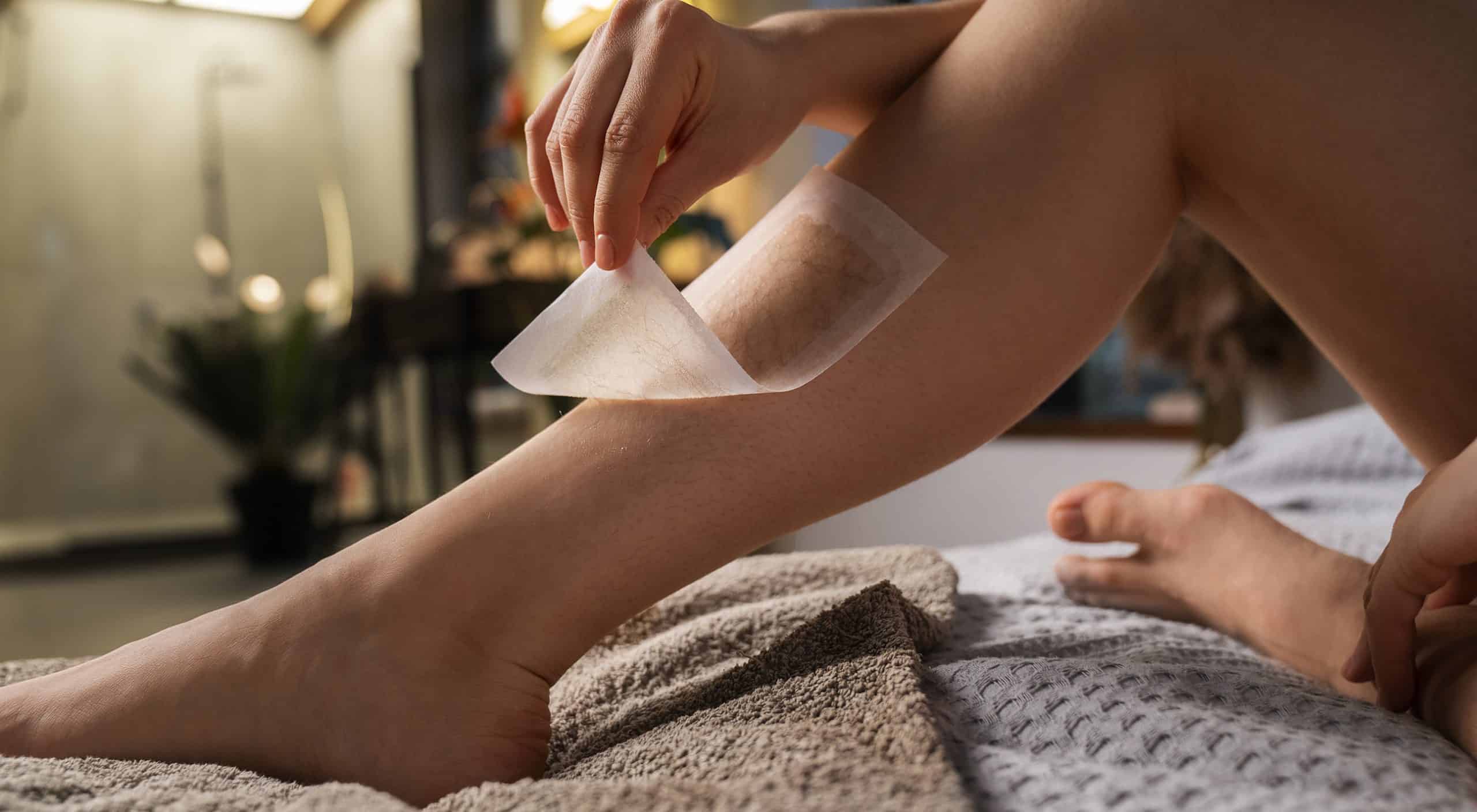
Soft wax is spread thin, covered with a strip, and removed while still tacky. It adheres to both hair and the top layer of skin, acting like a fine exfoliation. That makes it efficient for large areas such as legs, arms, backs, and chests. You can cover broad territory rapidly, but you must manage heat, pressure, and overlap meticulously to avoid lifting skin. Soft wax rewards precision with speed, yet punishes sloppy technique faster than hard wax.
If you have only handled one of them in a demo at beauty school, the differences feel subtle. When you spend a full day on a waxing table, you learn how each substance influences timing, client comfort, and your body mechanics.
How schools teach it, and why that matters
Programs vary wildly. A beauty college may introduce soft wax early because it fits the rhythm of spa services and teaches strip control that transfers to many protocols. A waxing academy or skincare academy might prioritize hard wax so students can perform Brazilian waxing confidently before graduation, which is a substantial revenue driver. At a beauty institute with a medical aesthetics program, instructors might put equal weight on both because graduates flow into dermatology-adjacent clinics that need versatile technicians.
If you are tracking keywords on course catalogs, look for curricula from an aesthetics school or medical aesthetics school that include both hard and soft modules with live models, not just mannequin practice. Strong programs schedule progressive model days: legs and arms first, then underarms and bikini, then face and intimate waxing. If you are near an advanced aesthetics college or a skincare academy near me, ask how many supervised Brazilians or full leg waxes you will perform before your final assessment. You need repetition under watchful eyes more than you need brand theory.
In cities like Brampton and the GTA, search phrases such as medical aesthetics Brampton or waxing classes Brampton often surface hybrid programs where you can tack a waxing certification onto a para-medical skin care diploma. The cross-training is valuable if you plan to be a medical aesthetician who performs laser and peels alongside waxing, because you will learn to assess contraindications across modalities.
The skill curve: where beginners typically stumble
New waxing technicians struggle with three things: wax temperature, application pressure, and removal angle. All three can make or break a service.
Hard wax demands the patience to wait for the right set. Instructors watch for students who either rip too early, breaking the wax, or too late, causing unnecessary tug. The sweet spot is when the surface loses its gloss and the edge lifts cleanly with a gentle flick. If students get this wrong, they will need cleanup passes, which risk irritation especially on the face.
Soft wax punishes heavy-handed spreading. The thinner and more even the layer, the smoother the pull. Beginners often overload the spatula and lay thick ribbons that cool unevenly. Another common error is reapplying over the same spot before the skin has calmed and the wax has cooled. That is when you see micro-lifts on delicate skin, especially on the inner thigh or upper lip.
Confidence grows when you internalize a few tactile signals: the drag of the spatula on prepped skin, the way hair lays after you stretch the skin, and the sound of the wax as it releases. Your instructors at beauty school or a waxing academy will harp on consistency, and for good reason. Technique you can repeat under stress becomes speed later.
Client comfort and safety: where each wax shines
Consider a first-time bikini client with coarse hair, nervous but determined. Hard wax is usually kinder for the initial clear-out because it grips the hair strongly without pulling on the surface of the skin. I have converted skeptical clients by switching to hard wax mid-service after they flinched during a soft wax pass. Within two strips, the difference is obvious to them.
For a full leg on a client with dense hair and a tight schedule, soft wax earns its keep. Thin application and long strips mean fewer passes. You keep your back straight, work with rhythm, and finish in 20 to 35 minutes depending on height and density. Hard wax can do legs, and many boutique studios prefer it, but you will use more product and time. Your pricing structure needs to reflect that.
Sensitive skin changes the calculus. Eczema, retinoid use, recent peels, and sun exposure can all elevate risk. When intake forms from an aesthetics school clinic or a medical aesthetics course ask about retinoids, they are not being pedantic. Soft wax over a client on topical tretinoin can lift skin even under perfect technique. Hard wax often gives you a wider safety margin, especially on the face. When in doubt, spot test, downshift your expectations, and reschedule if needed.
Longevity, hair type, and regrowth patterns
Clients care about how long results last, not the chemistry lecture. Both hard and soft wax remove hair from the root, so regrowth timelines mostly depend on the growth cycle and genetics, not the wax. That said, very fine vellus hair on the face can be more cleanly removed by hard wax because it cups and removes short hairs without tearing them at the surface. On the other hand, soft wax can catch the baby-fine layers on the thigh that hard wax sometimes skates over.
Coarse, curly hair tends to snap under tension when it is short. If you are doing a maintenance Brazilian at 3 to 4 weeks, hard wax makes short work of short, coarse hair while sparing the skin. For a first-timer with long growth, either medium works, but hard wax reduces the shock to the skin on first pull.
Economics: product cost, time, and profitability
Technicians run on time, not just product margins. Soft wax is cheaper per service for large areas, and you will typically finish faster. That means more bookings per shift. Hard wax uses more product by weight and may slow you down while you learn, yet it can boost client retention for sensitive services. A client who trusts you with their Brazilian will likely book underarms and brows too.
In a typical week at a busy spa, leg and back services make up a large chunk of volume. Those are soft wax wins. But the highest return per minute can be facial waxing bundles and intimate waxing. Hard wax helps minimize redness and makes add-ons like nostril or ear waxing safer and cleaner. If your business plan leans into premium intimate services, hard wax mastery matters.
For students working through a beauty college or beauty institute clinic, track your average service times. You should see full leg soft wax drop from 60 minutes to around 30 as you get comfortable. For Brazilians with hard wax, aim to move from 45 minutes as a beginner to 20 to 30 once you have rhythm. Numbers vary by client, body type, and hair density, so treat these as ranges, not rigid targets.
Hygiene, cross-contamination, and real-world flow
Both mediums require strict hygiene. Double dipping is a rule-breaker regardless of wax type. With soft wax, you might be tempted to flip a spatula and dip again, especially on large areas. Do not. Pre-pull, stretch, remove, and discard every time. Hard wax invites another mistake: using fingers to test set on a client’s skin and then touching your wax pot. Keep a dedicated test strip on your trolley to assess temperature and set off the body.
A well-organized trolley keeps you fast and safe: cleanser, pre-wax oil, talc or drying lotion, antiseptic, post-wax lotion, tweezers, scissors, wooden spatulas in multiple sizes, and strips if you are using soft wax. If you are in a medical aesthetics program that pairs waxing with chemical peels or laser courses, you will learn to quarantine post-peel clients from waxing for a window of days to weeks. That coordination matters in integrated clinics where a medical aesthetician moves between modalities.
Pain management and communication
Waxing technicians who retain clients talk clearly and touch with purpose. Before you start, calibrate expectations. “You will feel pressure, a quick pull, then I will compress.” Comfort measures include pre-wax numbing sprays, but I rarely recommend them because they can change the way skin responds. A better protocol is brisk, consistent technique and firm compression immediately after each removal.
Hard wax usually wins the comfort vote in sensitive areas because the pull is localized. Soft wax on large areas spreads sensation across a longer strip, which some clients prefer because the rhythm lulls them. Both can be fine-tuned with pre-wax oil to buffer the skin. Too much oil, and neither wax will grip. Practice until you can see a slight sheen without visible pooling.
Beginner pathway: which to learn first based on your goals
If your career target is a high-volume spa or you are adding waxing to a nail technician program to become more versatile, start with soft wax for legs, arms, and backs. You will learn strip control, pacing, and efficient product use. Once your speed and consistency are stable, add hard wax for underarms, face, and bikini.
If you are drawn to intimate waxing, boutique studio work, or plan to build a loyal book quickly through word-of-mouth, start with hard wax. Master facial zones, underarms, and Brazilian services under supervision. You will develop a feel for hair direction in tight areas and a steadier hand. After that, cross-train on soft wax for large limbs to round out your menu.
Students in medical aesthetics courses often ask whether waxing meshes with laser. It does, with timing. Waxing removes the https://www.n49.com/search/beautyschools/1/canada/ hair from the root, so you need to stop waxing 4 to 6 weeks before laser hair reduction. If you work in a clinic offering both, become the technician who can advise clients on when to switch modalities and how to maintain results. That cross-knowledge makes you indispensable in medical aesthetics near me searches and referrals.
Troubleshooting common problems
Sticky residue that will not come off: with soft wax, you probably ran cool or applied too thick. Press a fresh strip over the residue, then pull parallel to the skin. Reset your pot to manufacturer temperatures and adjust your pressure. With hard wax, residue means you under-prepped or used too much oil. Blot with a dry gauze, then lay a small cleanup tab of fresh hard wax to grab leftovers.
Lifting on the upper lip: this usually follows retinoid use or overworking the area. Switch to hard wax with a micro-thin layer and one pull per side. If the client is peeled or on isotretinoin, defer the service. Document why and rebook. A skincare academy that emphasizes contraindication management will push you to err on the side of caution, and clients will respect that professionalism.
Broken hair and quick regrowth: hair length may be too short, or you are pulling up and away rather than low and parallel. Also check direction. On underarms and root of the thigh, hair grows in multiple directions. Split your application zones accordingly. Hard wax allows quick course correction, because you can layer separate patches and remove them along their respective growth patterns.
Sweat or oil causing poor adhesion: prep with a drying solution or a dusting of talc in humid rooms. In summer, room temperature matters. Soft wax that stays too hot is a liability. Hard wax that sets too slowly saps your tempo. Manage HVAC or bring a small fan for the bed area, pointed away from the pot to avoid inconsistent cooling.
Training tips that shorten the learning curve
Use your non-dominant hand as much as the dominant. The best waxing technician I ever trained could switch hands mid-service without losing tension or speed. Symmetry matters on brows, underarms, and bikini, and hand switching reduces awkward body angles that cause strain.
Count silently on every set during the first weeks. Two counts on the face for hard wax, three to five on underarms depending on brand and room temp. For soft wax, develop a mental metronome for spreading and strip placement. Clients relax when you move with a steady cadence.
Record your service times and product usage. At a beauty school or beauty institute clinic, you might not be tracking costs directly, but you can note number of sticks, strips, and grams used. In a month, patterns emerge. Overuse of sticks often means you are hesitating and setting down partially loaded spatulas. Rehearse full loads, full spreads, then discard.
Shadow technicians who work differently than you. If your waxing classes mostly use hard wax, spend a day with a soft wax specialist who can do a full leg in under 25 minutes without redness. If you grew up on soft, watch a boutique specialist run a Brazilian with three or four strategic hard wax panels and minimal cleanup.
Sanitation and licensing realities
Regulations vary by province and state, but the principles remain consistent: single-use applicators, cleaned and disinfected tweezers, gloves for intimate or facial areas, and rigorous bed strip changes. A waxing certification from a reputable aesthetics school or skincare academy confirms you have been assessed on these standards. If your path includes a para-medical skin care diploma or a medical aesthetics program, expect stricter charting, photo documentation, and consent forms. In a clinical setting, waxing may be subject to the same infection control policies as laser or microneedling. That is a good thing. Clients notice when a studio runs tighter than the average salon.
Branding and client education
Clients do not buy wax types. They buy outcomes: smooth skin that feels good, minimal irritation, and trust in your hands. Still, educate lightly. On your menu, you might phrase it like this: “We choose the best wax for your skin and hair, often a mix of hard wax for sensitive areas and soft wax for larger zones.” If you are in a competitive market like Brampton and competing on medical aesthetics Brampton keywords, frame your waxing within a broader skin health approach: pre-wax exfoliation guidance, post-wax ingrown prevention, and coordination with peels or laser.
Social proof matters. New graduates from beauty school who post before-and-after photos do well when they show clean edges, minimal redness, and tidy trolleys. A brief caption that mentions technique choices signals expertise without jargon. Example: “Underarm service using hard wax for comfort and precise direction control, finished with a soothing barrier lotion.”
So, which should you learn first?
Start with the wax that aligns with the majority of services you plan to offer in your first six months, then cross-train fast. If you are entering a general spa through a beauty college pipeline, soft wax first makes sense. If you are building a niche in intimate or facial services after a focused waxing academy, hard wax gives you an edge. The wrong choice is waiting to learn the second medium. Mastery in one plus competence in the other covers almost every client who walks in.
Here is a concise comparison to help you decide where to begin:
- Hard wax: ideal for face, underarms, bikini and Brazilian; gentler feel; slightly slower until you build speed; higher product cost; forgiving on sensitive or compromised skin when applied correctly. Soft wax: ideal for legs, arms, back, chest; fastest on large areas; lower product cost; requires careful technique to avoid lifting; great for high-volume schedules.
A simple, high-yield practice plan for new technicians
- Week 1 to 2: practice soft wax on forearms and lower legs, or hard wax on underarms and brows, depending on your starting choice. Focus on temperature control and consistent pressure. Week 3 to 4: add the complementary medium on secondary areas. If you started soft, introduce hard wax for underarms. If you started hard, introduce soft wax for half-leg. Week 5 to 8: begin bikini and Brazilian under supervision if your program allows. Log service times, client comfort feedback, and number of cleanup passes. Ongoing: attend model clinics at your aesthetics school or skincare academy; seek feedback from senior waxing technicians; refine pre- and post-care scripts.
Where to get quality training
Look for programs that blend theory, demo, and high-volume clinic hours. If you are searching for a skincare academy near me, visit the campus and watch a live service. Ask instructors about brand variety. Schools tied to one wax vendor can be excellent, but they should teach universal technique, not just brand choreography.
If you aim for clinical environments, a medical aesthetics school or advanced aesthetics college can position you for a broader role as a medical aesthetician. While waxing is not strictly medical, the discipline you learn in charting, sanitation, and contraindication screening carries over. In regions like Peel, querying medical aesthetics courses or medical aesthetics near me brings up institutions that let you stack certifications: waxing, lash lifts, chemical peels, and laser safety. That stack makes you marketable.
For those who come from a nail technician program and want to add services, choose shorter waxing classes with an intensive practical component. Even 20 to 30 supervised services can cement the fundamentals more than a long theory block.
The judgment that comes with experience
I have switched wax types mid-service more times than I can count. A leg that begins with soft wax might finish with hard wax around the knee because the skin is drier there and hair changes direction. A Brazilian might start with hard wax for the mound and labia, then use a quick soft wax strip on the outer thigh to catch feathering. Clients rarely notice the switch, but they feel the outcome: fewer missed hairs, less irritation, and no sticky residue.
Your preference will evolve. Early in my career, I tried to force hard wax onto everything because I loved the control. Over time, I learned that soft wax, when applied whisper-thin with perfect tension, is both elegant and incredibly fast. The art lies in choosing without ego. If the clock is ticking and a client’s skin is warm and hydrated, soft wax sings on legs. If the client is on retinoids or has just finished a series of peels at a medical aesthetics clinic, hard wax on the face is the cautious, professional move.
What you learn first is not your final identity. It is simply the tool you will use to build confidence, speed, and judgment. Choose the path that gets you on the table with real clients quickly, under good supervision. Then add the second medium before your habits calcify. Done that way, you will graduate from beauty school or a waxing academy not as a “hard wax tech” or a “soft wax tech,” but as a waxing technician who makes the right choice for each body in front of you.
8460 Torbram Rd, Brampton, ON L6T 5H4 (905) 790-0037 P8C5+X8 Brampton, Ontario